
Your work · your direction

Career planning: apply, interview and grow.

Career planning starts with a useful next step. Find career advice for young adults on preparing an application, explaining your experience and getting ready for the conversation.

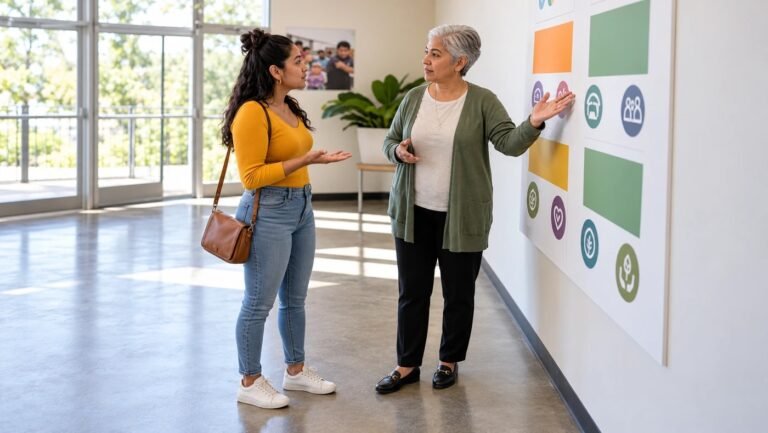
Career planning: three young adults gathered around a presentation board.
Explore your options

Three ways to move forward

Work for an organization, serve the public, or build something of your own. These paths can overlap or change. Choose one to explore next.

Companies · small businesses · nonprofits

Work for an Organization

Build experience in a private company, small business or nonprofit. Look for a role where you can contribute and learn.

Compare: pay, training, schedule, benefits, commute and opportunities to grow.

Explore workplace preparation
Federal · state · local

Government & Public Service

Explore work serving the public. Follow the application instructions and requirements for the specific employer and role.

Compare: the work, eligibility requirements, hiring process, location and benefits. A government contractor works for the contractor, not the government.

Explore federal careers
Freelancing · services · small business

Work for Yourself

Test one useful offer for a real customer before committing more time or money. Start with a manageable experiment.

Compare: customer demand, startup costs, uneven income and the responsibilities you will handle yourself. Set a spending limit and check local requirements.

Explore business basics

You do not have to choose forever. Compare one realistic opportunity in each path, then decide what is worth trying next.

Your career path · Four useful stages

Four steps for practical career planning.

Pick where you are now. Come back when things change.

Prepare to apply

Know what you are applying for.

Read the role carefully. Notice the skills, experience and practical requirements, then identify where your own experience is relevant.

See an interview example
Fictional example

Turn one task into an interview example.

Fictional example: Dani checked labels on 40 packages a day in a part-time job. A second check reduced missing labels from six a week to two: four fewer mistakes. Dani can explain the task, the change and the result without inventing a bigger job title.

One action: Write three sentences about one task you handled: what needed doing, what you did and what changed.

Put the guidance to work

Career planning tools and guides.

Browse all resources
Career · Practical guide

Networking That Works

Approach professional relationships as useful conversations, not a performance.

Read the guide
Real Life · Practical guide

Time as a Graduate

Bring structure to the transition from student schedules to working life.

Read the guide
Career · Practical guide

Federal Careers Guide

For federal career planning, explore the pathway and its application resources.

Explore federal careers
Common questions

Career planning: common questions.

How do I write a résumé with no real experience?

Count school projects, volunteer work, part-time jobs, sports and family responsibilities. For each, write what you did and what changed because you did it.

What makes a federal résumé different?

USAJOBS résumés must be no more than two pages. Include the dates, hours per week and relevant duties requested in the job announcement, and show how your experience meets its requirements.

Federal résumé template

How do I answer "tell me about yourself"?

Give a short version in three parts: what you are doing now, one or two things you have done that relate to the job, and why this role is your next step. Keep it under a minute.

What should I do in my first week at a new job?

Learn names, ask how your manager likes to get updates, write down how things are done, and ask questions early instead of guessing.

How do I network if I don't know anyone?

Start with people you already know: teachers, former coworkers, family friends. Ask one specific question about their work. Most people are glad to answer one good question.

Networking That Works
Young adult and mentor discussing a plan beside a presentation board